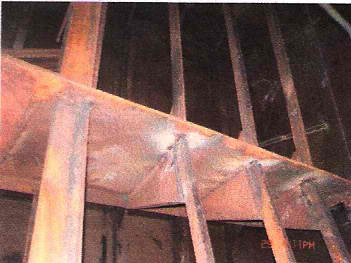
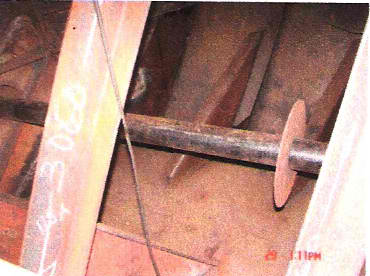
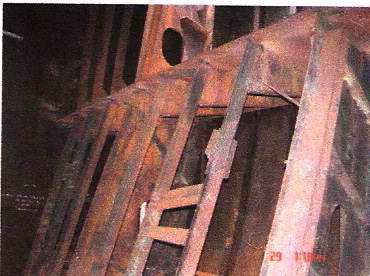
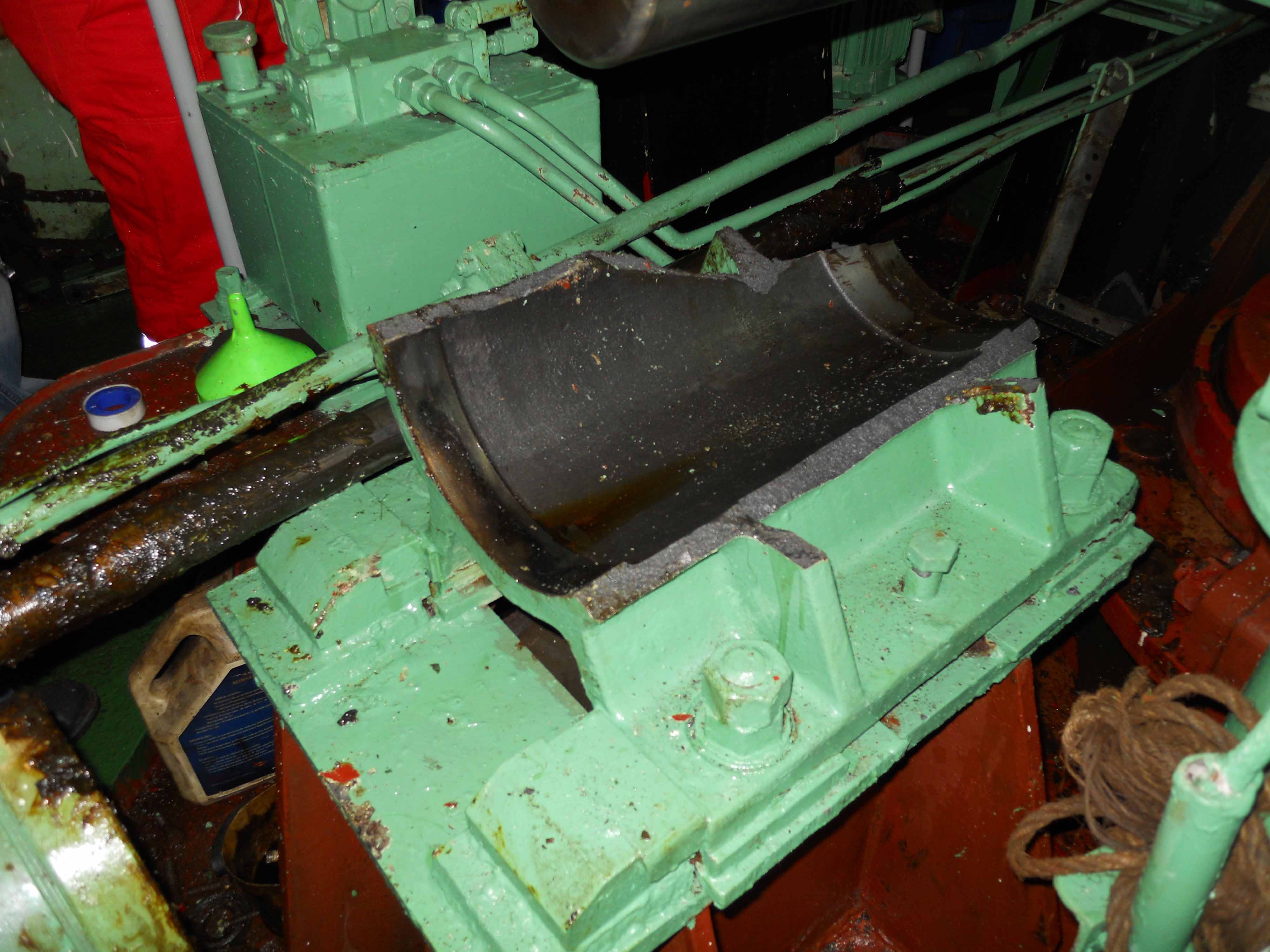
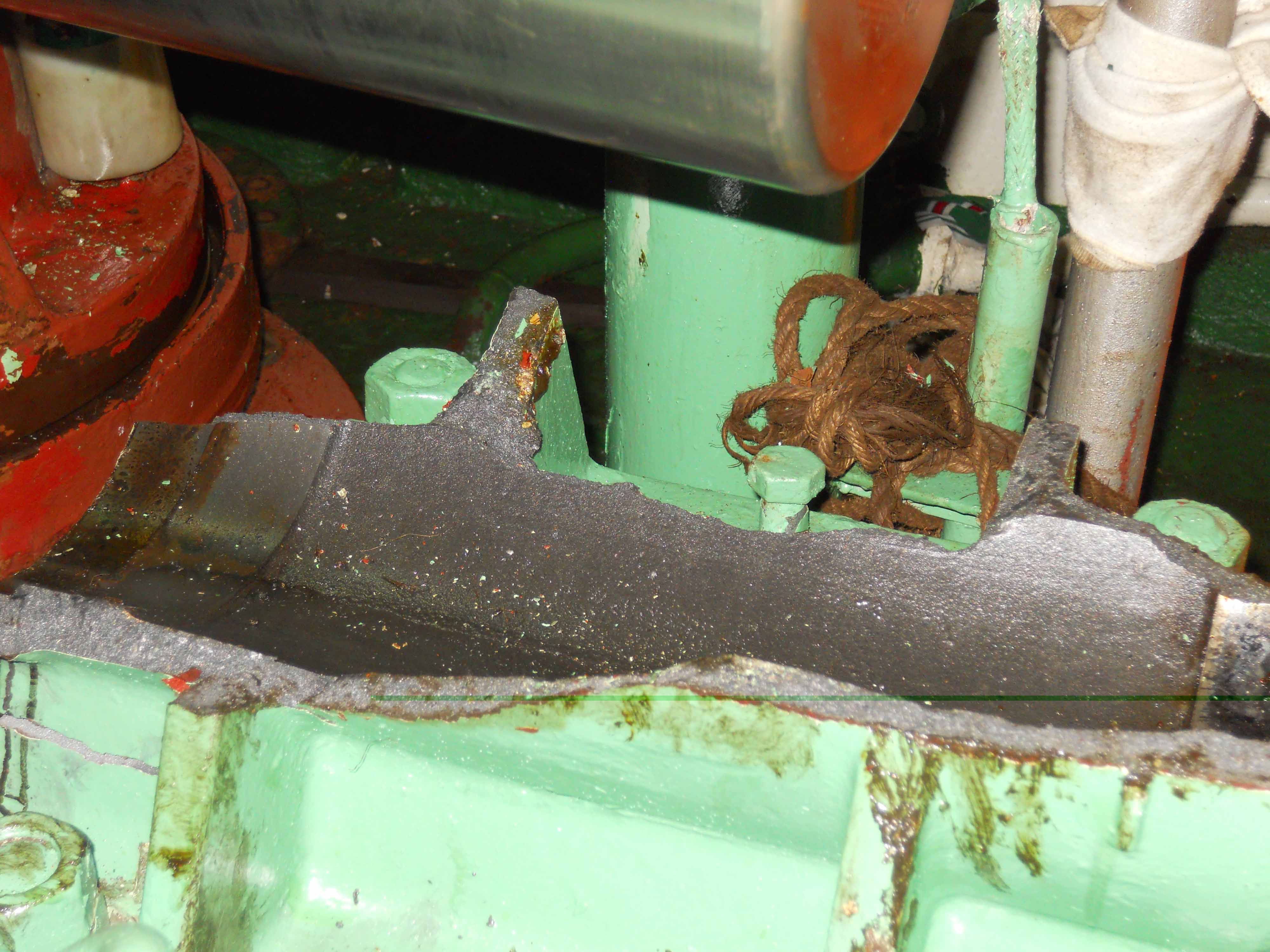
•Main Engine & Auxilliaries Overhauling
•Boiler Repair and Re Tubing
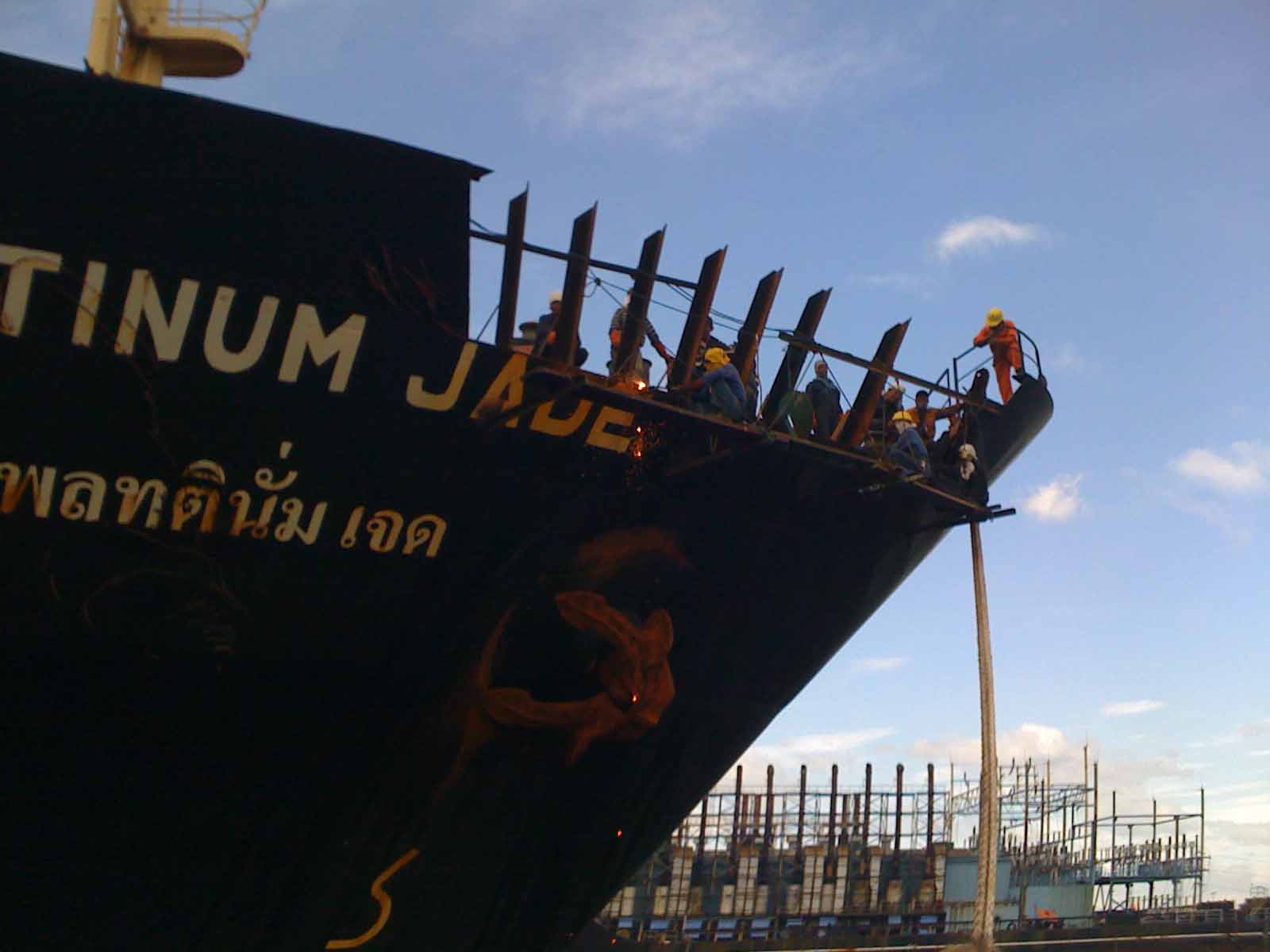
•Underwater Welding Works & Bottom Cleaning
•Design & Built Customize LCT Vessel
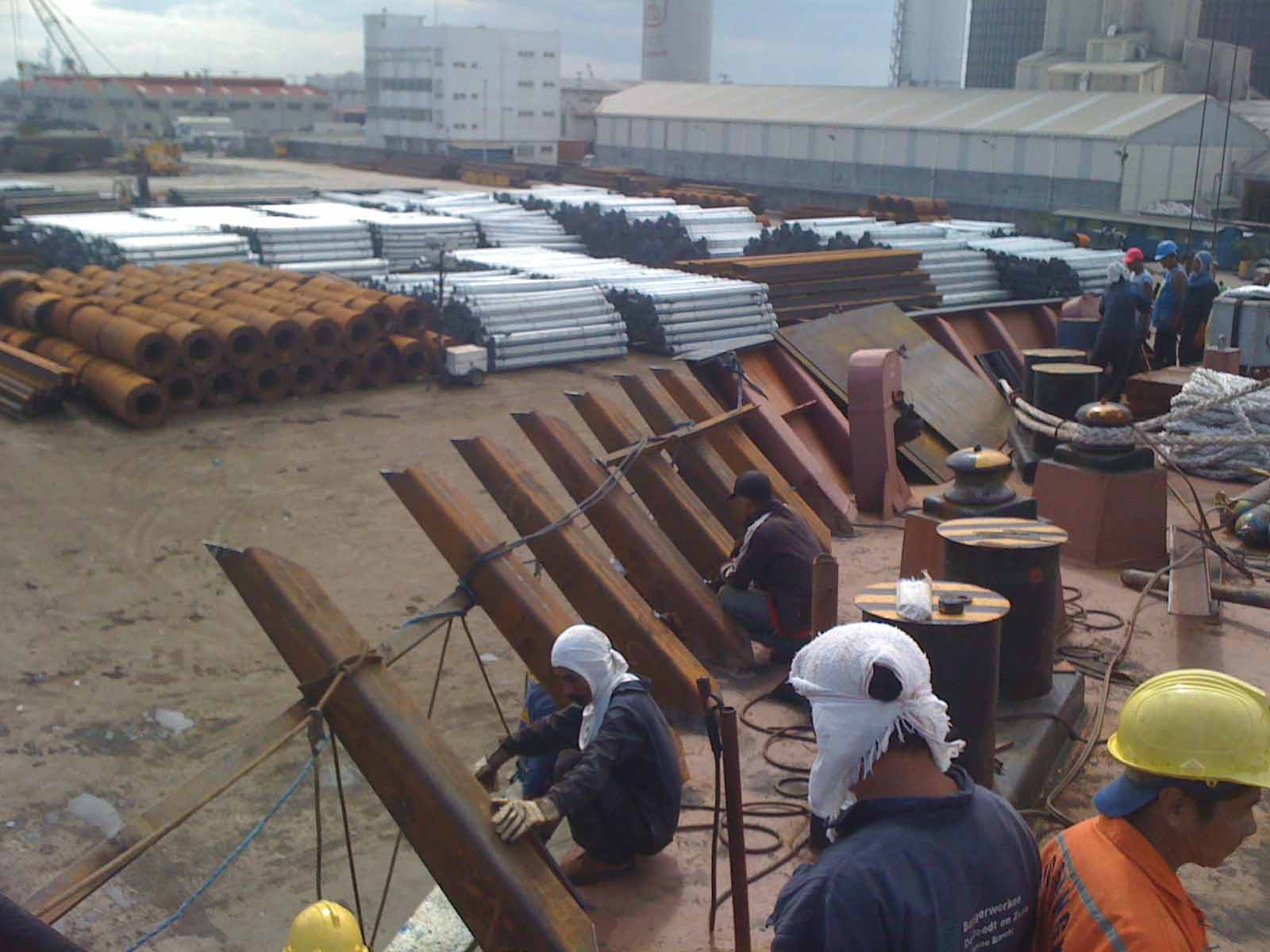
•Design & Built Double Hull Works for Tankers
•Supply of Chemicals & Petroleum Products
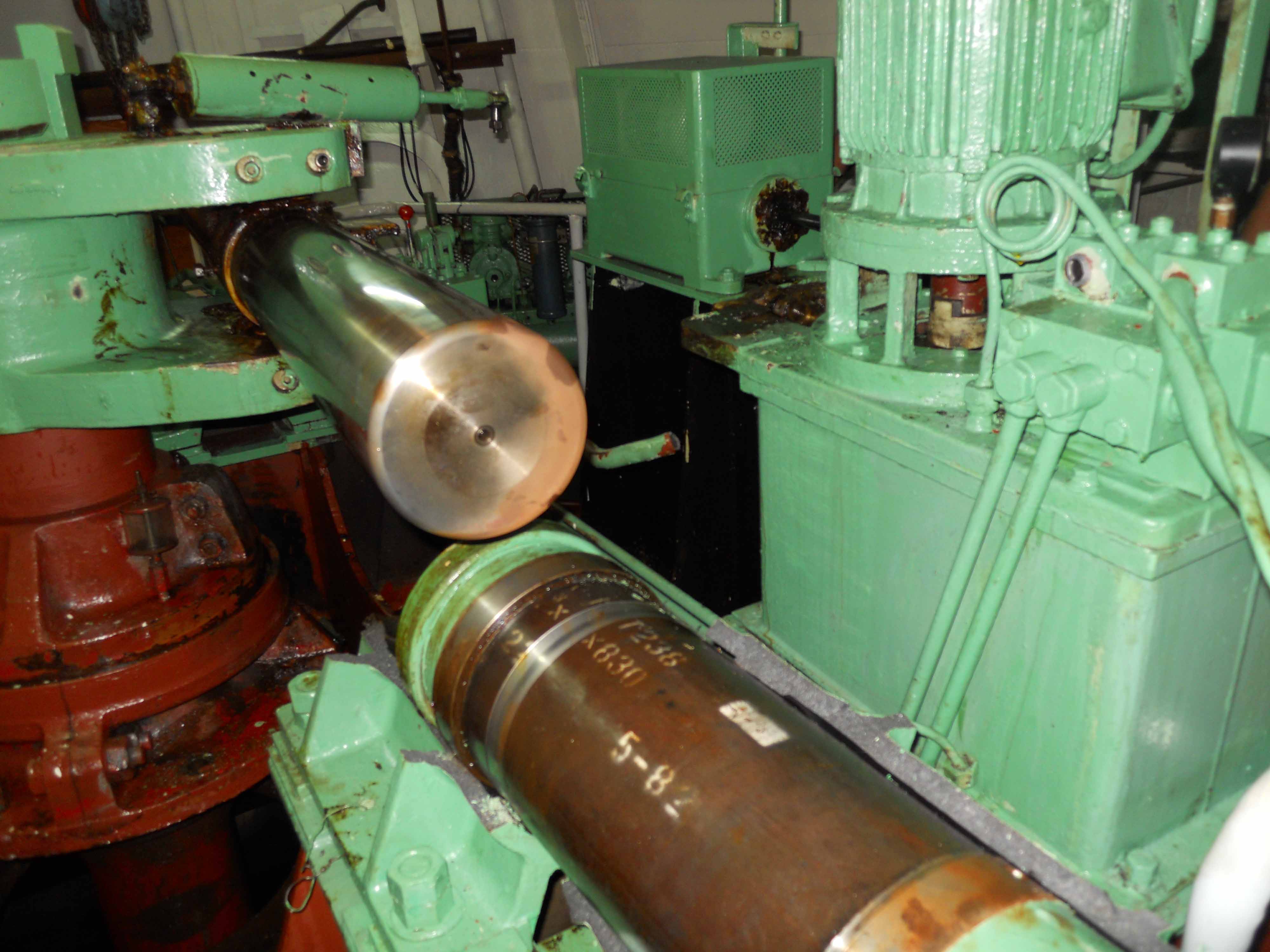
•Crankpins and Shaft Grinding in SITU
•Debunkering of Marine Fuels
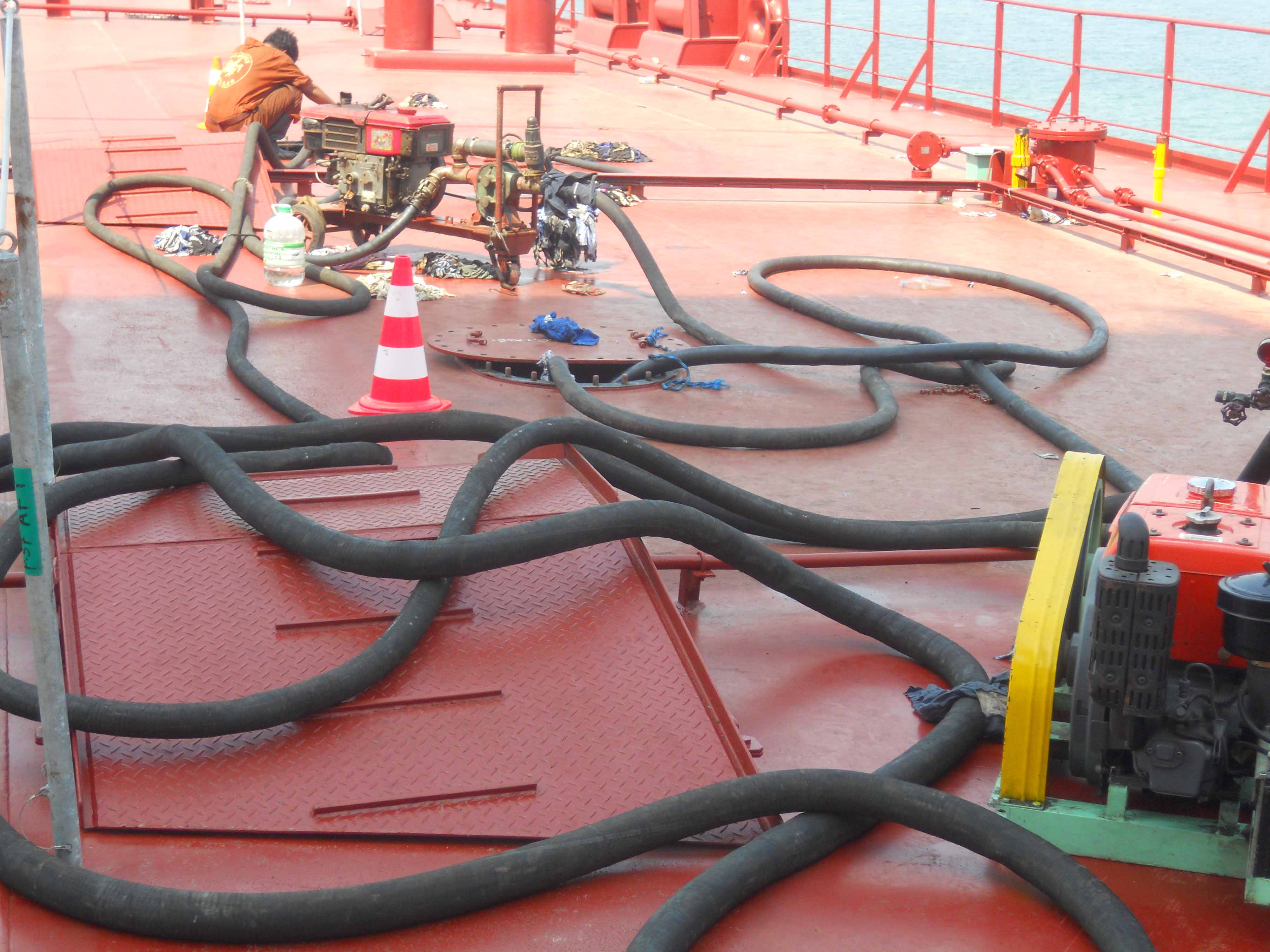
•Tank Cleaning on All Types of Vessel for Hot Works
•Hauling, Treatment and Disposal of Sludge, Oily Water and Toxic
Waste for Marine and Land Base Organization Duly Approved by
GOVERNMENT AUTHORITIES.
•Availability of IACS Certified Welders
Process Description of Waste Oil

The process of treatment involves dehydration, distillation and filtration. Details of this process are proprietary information, which is owned by New Zealand Marine Services, Ltd. Who developed the technology over a period of years and has successfully licensed applied it commercially in their country. The plant is designed to handle about 50,000 tonnes of waste oil in, and depending on the amount of water in this waste oil, it produces between 30-35,000 tonnes of processed fuel oil and about 1,000 tonnes of diesel-like hydrocarbon most of which is used to operate the onsite generator and run plant vehicles.
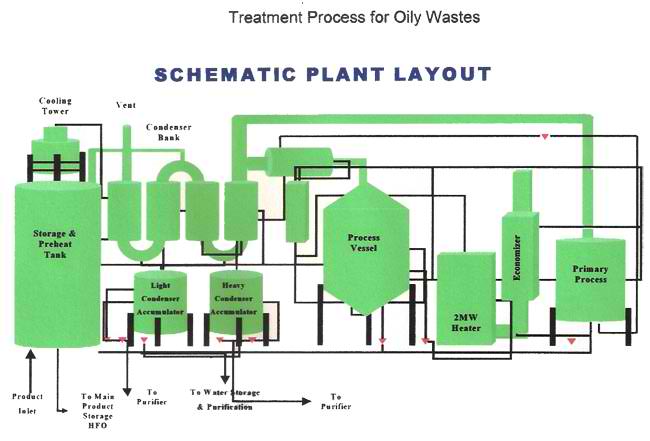
The schematic plant layout above ahows how the plant operates. This layout is referred to in the detailed description below.
Raw waste oils are recieved and stored in the bulk storage tank with capacity of 1.5 million liters. The waste oil is then drawn from this tank as required, and held in a feed stock storage and pre-heat tank.
Oil is then drawn from this feed stock tank and taken through the primary process tank to the process vessel. The primary process tank operates as an additional pre-heat tank for the incoming waste oil and also for recovering heat from the heater exhaust economizer.
The waste oil proceeds from the primary process vessel to the process vessel where it is heated with heat transfer oil from the heater. THis heater has a 2 MW burner.
Distillate (or light ends) passes out of the top of the process vessel through heat exchangers for heat recovery. From there the distillate passes through a bank of condensers and into the dirty distillate tank.
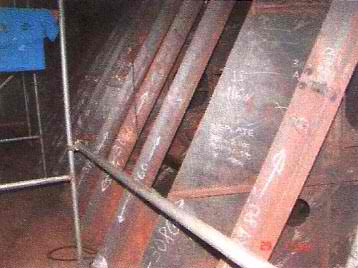
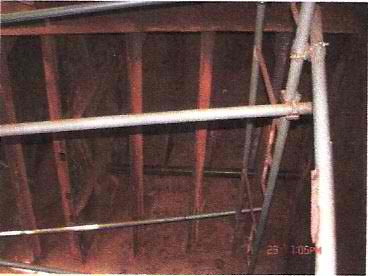
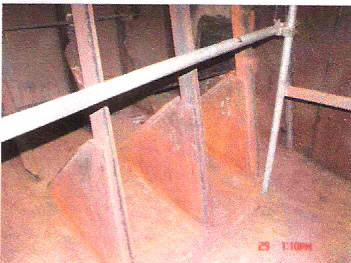
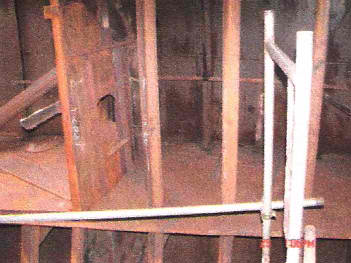
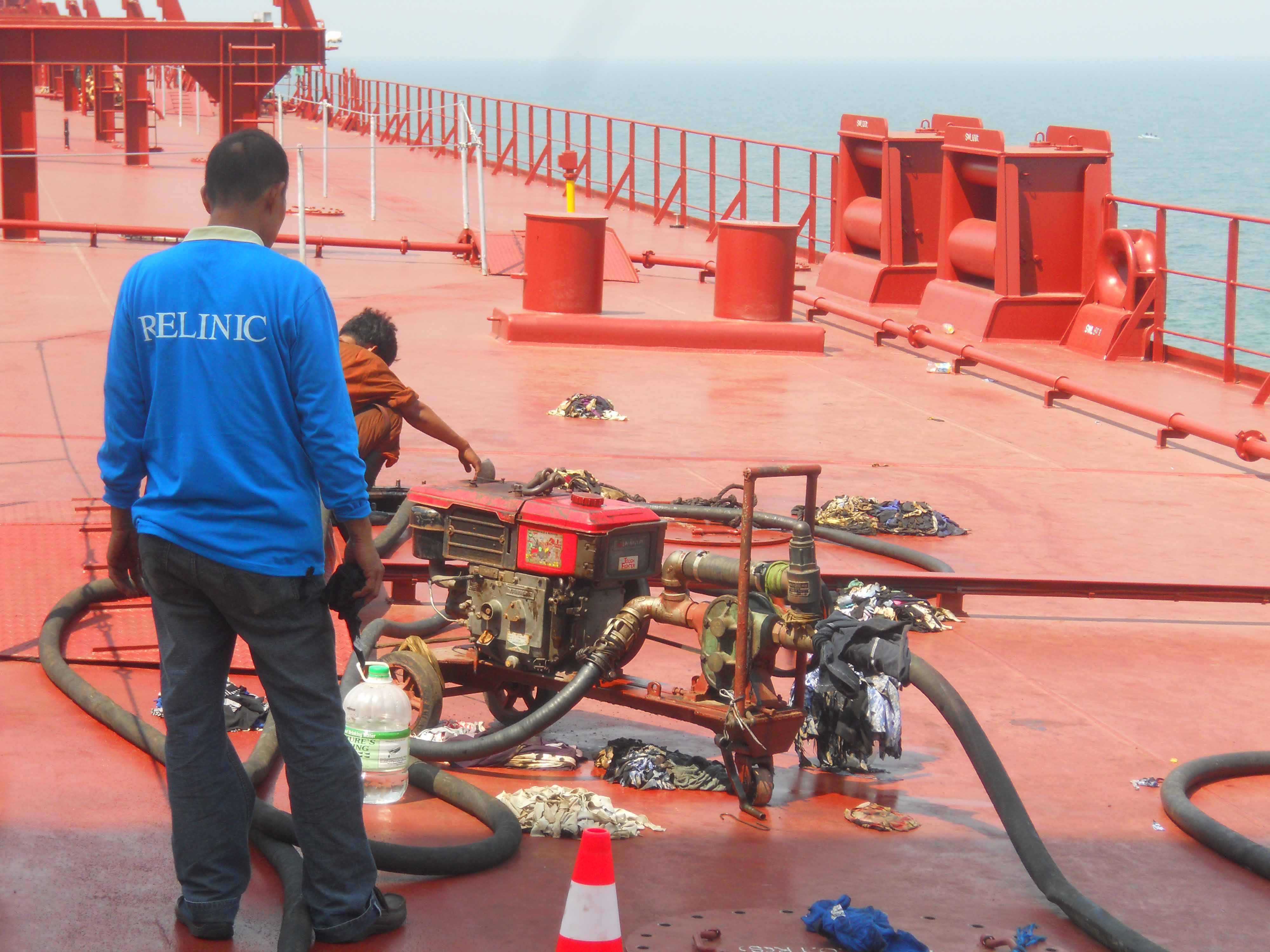
Tank Cleaning of VLCC, Any Size Tankers for Hotworks
DULY APPROVED BY PHILIPPINE COAST GUARD & DEPARTMENT OF ENVIRONMENT
This Department are manned by Specialists, with longstanding experience in Tank Cleaning summarized as follows:
•On Board Vessel familiarization
•Informed Government Authorities for Issuance of Clearances within 6 hours
•Boarding the vessel for work commencement
•Degassing for pre-men entry and pumping operations
•De-mucking operations
•Transfer of bagged sludge to receiving barge and transport to Approved
Government Plant for Treatment and Disposal.
•Issuance of Certificates


 The process of treatment involves dehydration, distillation and filtration. Details of this process are proprietary information, which is owned by New Zealand Marine Services, Ltd. Who developed the technology over a period of years and has successfully licensed applied it commercially in their country. The plant is designed to handle about 50,000 tonnes of waste oil in, and depending on the amount of water in this waste oil, it produces between 30-35,000 tonnes of processed fuel oil and about 1,000 tonnes of diesel-like hydrocarbon most of which is used to operate the onsite generator and run plant vehicles.